
Best Hiking Trails in Oklahoma
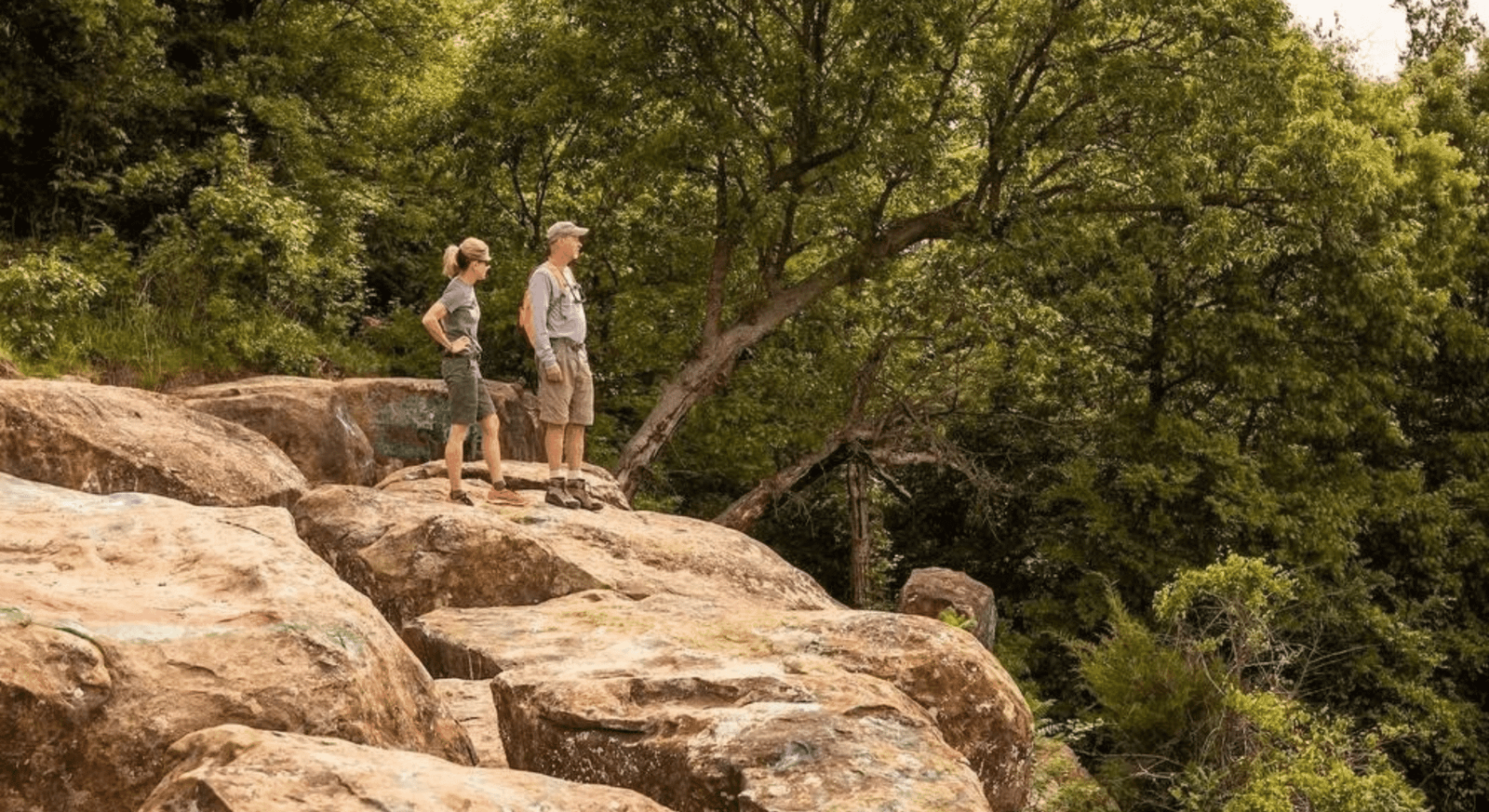
Oklahoma’s hiking landscape changes quickly from one part of the state to another. The southwest has granite peaks and open prairie; southeast Oklahoma is covered in pine and hardwood forests, and the Panhandle offers a much drier, higher landscape. That variety gives hikers everything from short rocky climbs to full-day summit hikes and multi-day backpacking routes.
If you are looking for the best hiking trails in Oklahoma, these six routes show just how different the state can look on foot. Trail conditions can change with weather, fire risk, flooding, and maintenance, so check the managing agency’s current alerts before leaving home.
Elk Mountain Trail, Wichita Mountains Wildlife Refuge
Elk Mountain Trail is a 1.1-mile difficult trail in the Charon’s Garden Wilderness Area of Wichita Mountains Wildlife Refuge. The U.S. Fish & Wildlife Service describes it as a rocky route with numerous stone stairs, so the short distance should not be mistaken for an easy walk.
The reward is an elevated view over the refuge’s granite landscape and mixed-grass prairie. Bison, longhorn cattle, and elk roam the wider refuge, and visitors should never approach wildlife. The refuge also has no potable drinking water, making it important to bring more water than you expect to need.
If the Wichita Mountains are part of a longer trip, this is a natural place to link to our guide to the best places to visit in Oklahoma for more destinations around the state.
Skyline Trail, Beavers Bend State Park
Skyline Trail is one of the more demanding hikes at Beavers Bend State Park near Broken Bow. TravelOK lists the trail at five miles and notes steep climbs, descents, and several creek crossings. It is part of the larger David Boren Hiking Trail system, which connects several shorter routes throughout the park.
Pine-covered terrain, streams, and the surrounding Ouachita Mountain landscape make this a good choice for hikers who want more than a casual nature walk. Because trail and creek conditions can change after heavy rain, checking with the park before setting out is a sensible step.
Black Mesa Summit Trail
Black Mesa Summit Trail leads to the highest point in Oklahoma at 4,973 feet above sea level. The 8.4-mile out-and-back route near Kenton crosses shortgrass prairie before climbing roughly 600 feet up the mesa and continuing to the summit marker.
TravelOK classifies the trail as intermediate to expert, and its remote location makes preparation especially important. Shade is limited, and hikers should carry sufficient water and tell someone their route and expected return time before heading out.
Ouachita National Recreation Trail
Long-distance hikers have a very different option in southeast Oklahoma. The Ouachita National Recreation Trail begins at Talimena State Park in Oklahoma and continues east through the Ouachita Mountains to Pinnacle Mountain State Park in Arkansas, covering about 225 miles overall.
You do not have to thru-hike it to enjoy it. Oklahoma trailheads provide access to forested sections with mountain views, streams, and backpacking opportunities. Longer sections require more careful route planning, water management, and familiarity with current Forest Service conditions.
Robbers Cave Trail
Robbers Cave State Park near Wilburton combines hiking with sandstone formations and the outlaw stories long associated with the area. TravelOK describes Robbers Cave Trail as a roughly three-quarter-mile loop around the cave and rock-climbing area, with opportunities to explore nearby formations.
Hikers wanting something longer can explore the broader trail system, including the roughly three-mile Rough Canyon Trail. Its rocky footing, hills, and steeper sections make sturdy footwear worthwhile even though the mileage is fairly modest.
Turkey Mountain Urban Wilderness Trails
Turkey Mountain Urban Wilderness gives Tulsa hikers access to natural-surface trails without leaving the city. River Parks manages the 755-acre park on the west side of the Arkansas River, with wooded terrain, ponds, rocky areas, and trails used by hikers, runners, and mountain bikers.
Because the trails are shared, hikers should stay aware of cyclists and other users. Soft-surface trails should also be avoided when muddy to reduce erosion and trail damage. Its Tulsa location makes Turkey Mountain easy to combine with museums, restaurants, or other city attractions during the same trip.
What to Pack for an Oklahoma Hike
Water should be the first priority, especially on exposed routes such as Black Mesa and the Wichita Mountains. A map, charged phone, portable power bank, basic first-aid supplies, sunscreen, weather-appropriate clothing, and sturdy footwear are also useful. This section can naturally link to our National Preparedness Month emergency kit guide for supplies that can also be adapted for a hiking or vehicle kit.
For food, choose compact snacks that are easy to carry and require no preparation. A Nut n’ Pip Vegan Paleo Bar made for on-the-go snacking fits easily into a daypack, while Tropical Trail Mix with dried fruit, nuts, and seeds offers another portable Oklahoma-made option. Check allergens before packing and carry every wrapper back out with you.
Find Your Trail
The best hiking trails in Oklahoma range from short urban outings to routes that require a full day or more. Elk Mountain and Black Mesa bring elevation and exposed terrain, Beavers Bend and the Ouachitas offer forested hiking, and Robbers Cave and Turkey Mountain make it easier to fit a trail into a shorter trip.
Choose a route that matches your experience, check current conditions, carry enough water, and leave the trail as you found it. Oklahoma looks very different when you slow down and explore it on foot.